
Almost every first conversation between a new buyer and a factory ends with a small negotiation about MOQ. Sometimes it goes well and the buyer starts a long relationship with a factory that bends sensibly. Sometimes it goes badly and the buyer concludes the factory is inflexible, when the MOQ was never arbitrary in the first place. Understanding why a minimum exists is what lets you negotiate one properly — and it is also what tells you whether a supplier quoting an unusually low MOQ is actually a manufacturer or a trader who intends to consolidate you into a third party’s production.
## Why MOQ Exists: The Five Real Drivers
A minimum order quantity is not a mood. It is the arithmetic result of five genuine costs.
1. Fabric and material minimums. Mills and tanneries sell by the roll, the hide lot or the minimum production run. A leather glove line using a specific goatskin thickness may require the tannery to commit a whole dye lot. If you order 40 pairs, the factory is holding the surplus of that lot as dead stock for you — which is why they price small orders accordingly or decline them.
2. Setup and changeover time. Every production run has fixed setup: pattern grading, marker layout, machine setup, thread and hardware changeover, sample approval, and inspection preparation. This costs the same whether the run is 50 units or 5,000. Spread across 50 units it is a large per-unit cost; spread across 5,000 it is negligible.
3. Cutting efficiency. Leather and fabric are cut from a marker — a nested layout that minimises waste. Very small runs cut inefficiently, generating offcuts that increase material consumption per garment by a double-digit percentage. Efficiency improves as the marker can be nested properly, which is one more reason price falls with volume.
4. Quality control viability. Statistical inspection (commonly AQL 2.5) needs sample size to be meaningful. A run of 20 units cannot be statistically inspected in any useful way, and the pre-shipment audit becomes a formality rather than a filter.
5. Labour bandwidth and scheduling. Skilled stitchers, cutters and press operators are the scarce resource in a factory. A small order occupies a production slot that could hold a large one. Accepting a 30-unit order at a low price means either displacing revenue or running the line inefficiently.
Put those five together and you get the real answer: MOQ is the point at which a run becomes economically sensible for both parties, not a barrier invented to exclude small buyers.
## Typical MOQs by Product Category
The numbers vary by product complexity, material and decoration method. Realistic industry benchmarks:
| Product | Typical MOQ | Fixed-cost driver | Notes |
|---|---|---|---|
| Leather gloves | 100 pairs per style | Tanning dye lot, marker efficiency | Standard MOQ; reorder MOQ often lower |
| Industrial workwear | 100 pieces per style | Fabric roll minimum, cutting | Higher for FR-certified programmes |
| Sportswear / teamwear | 50 pieces per design | Sublimation press setup | Lowest of the categories because press setup is fast |
| Leather garments | 50 pieces per style per colour | Hide lot matching, grading | Colour consistency drives per-colour minimums |
| Leather belts and small accessories | 100–300 pieces | Hardware plating minimums | Hardware runs dominate the MOQ |
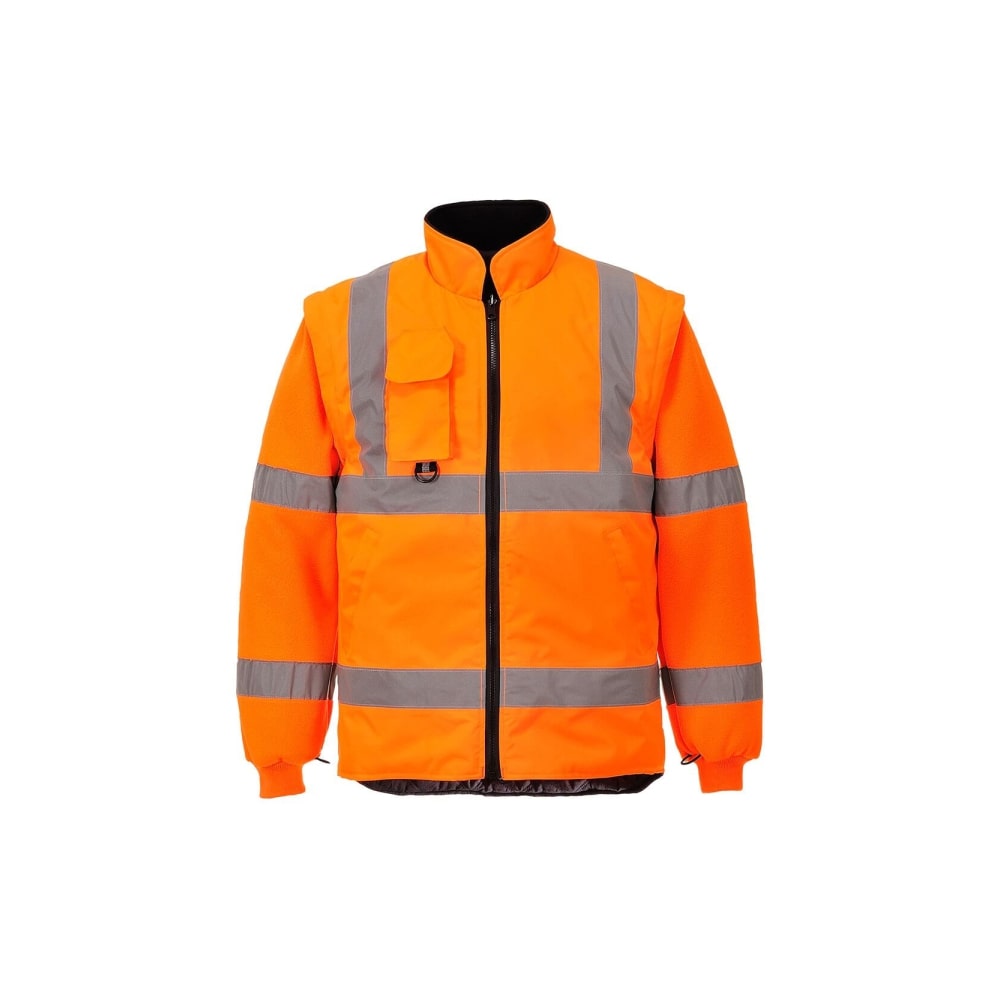
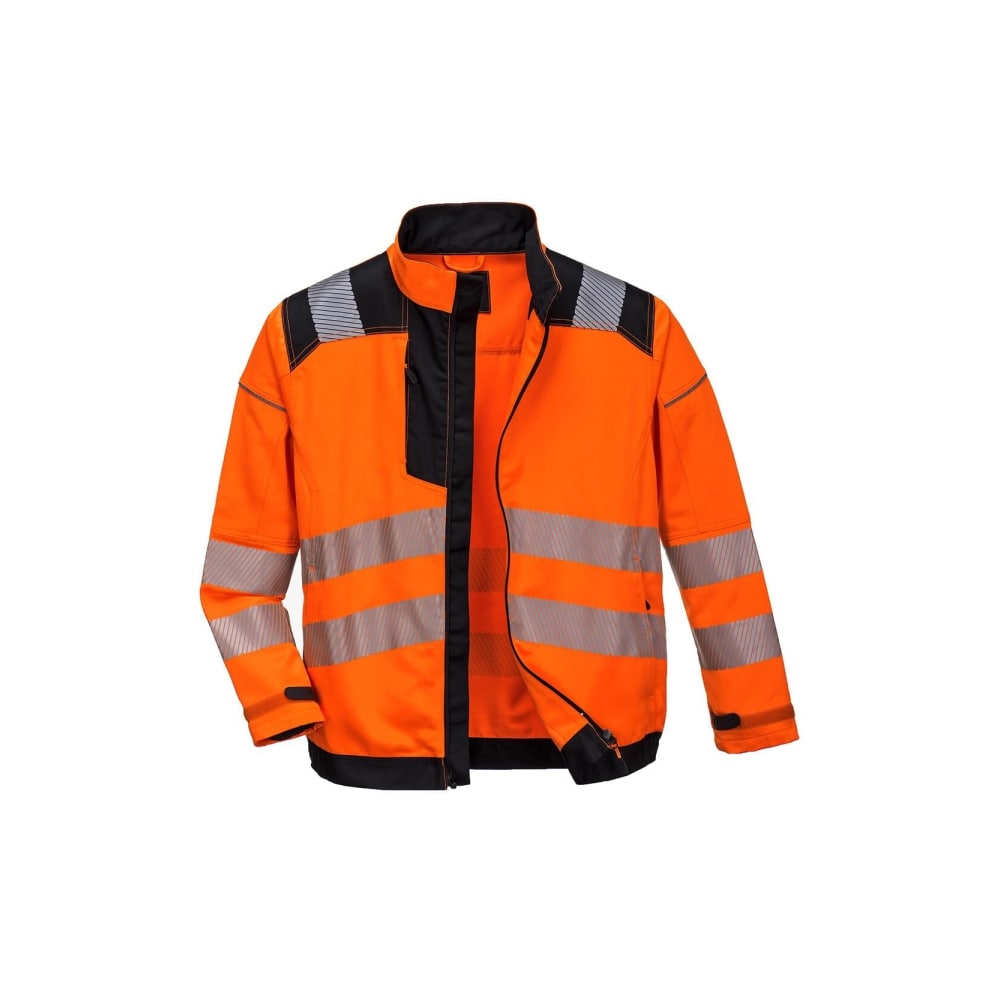
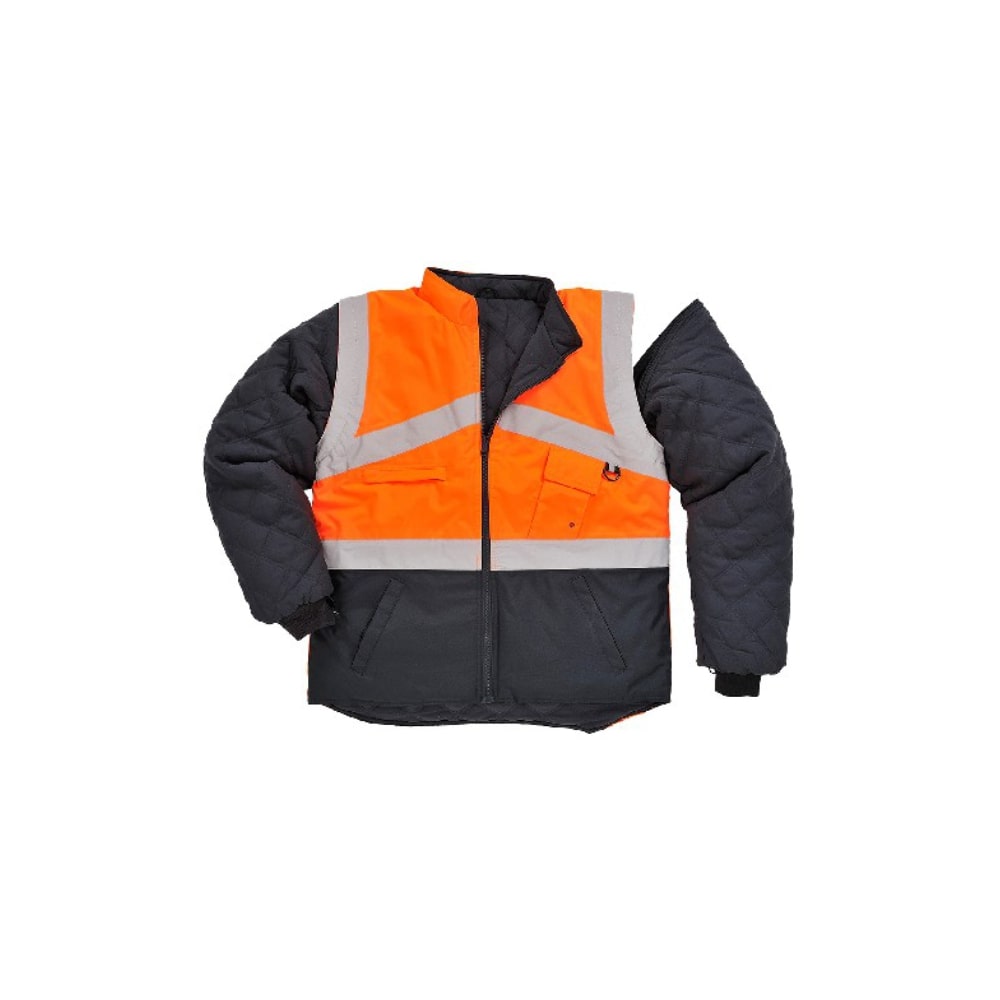
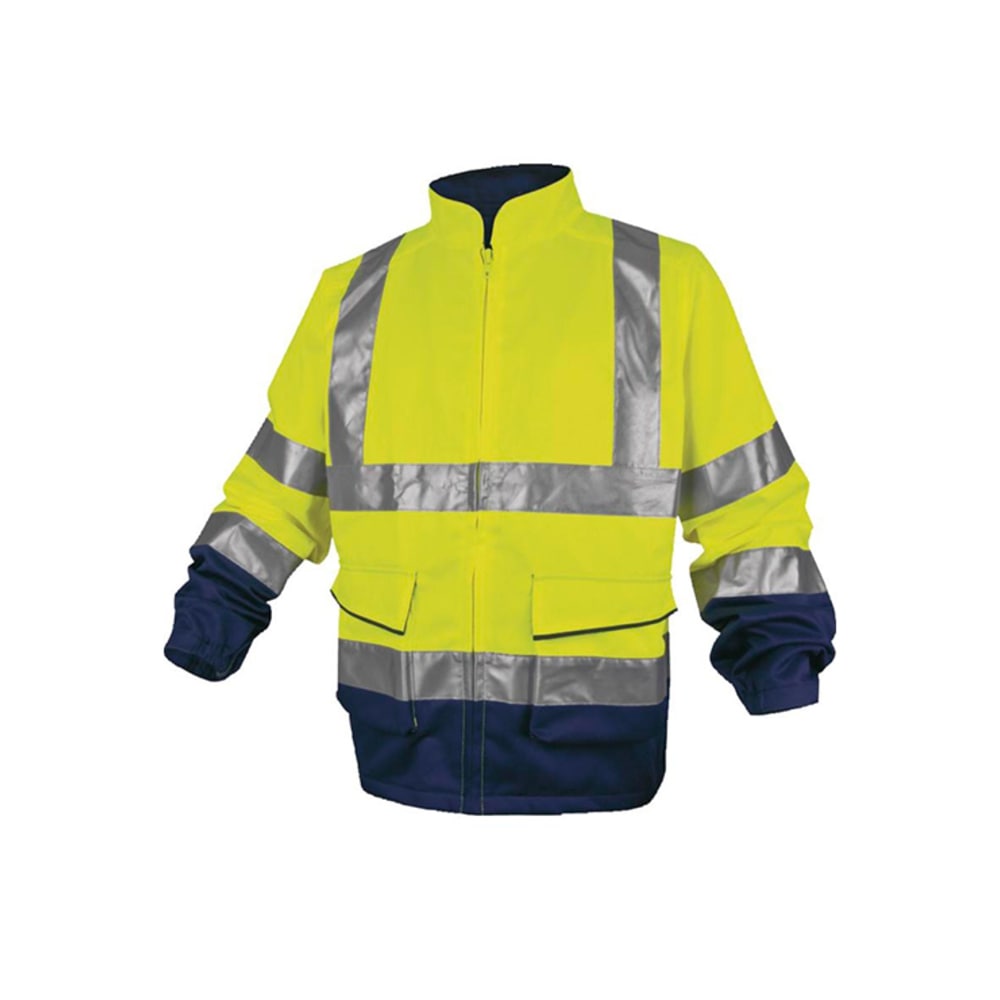
| Hi-vis and FR workwear | 100–300 pieces | Certified fabric minimum, tape | Certification testing may add a programme minimum |
Note the pattern: MOQ rises with material complexity and certification burden, and falls where the process is digital and fast. That is why sportswear has the most buyer-friendly minimum of the four categories, and flame-resistant certified workwear the least.
## How to Negotiate a Lower MOQ — Without Asking For a Favour
The productive way to approach a MOQ is to remove the factory’s cost, rather than asking them to absorb it.
Offer a stock material. If your gloves use our standard thickness, colour and hardware, no new dye lot or plating run is needed. New colours and new hardware are what lift MOQ.
Accept the factory’s size ratio instead of a bespoke one. A standard distribution can be packed from a normal marker. A custom ratio may not.
Use a lower decoration tier for the trial. Sublimation is fast, but embroidery digitising and bespoke woven badges both carry setup that pushes MOQ up. For a first order, use stock labels and simple branding.
Order one SKU instead of four. Four styles at 25 units each is a harder run than one style at 100 units, even though the totals match.
Commit to a reorder plan in writing. A supplier taking on a small first order is making an investment in your account. Tell them the second order quantity and it becomes a sensible decision rather than a favour.
Pay a setup fee deliberately. If the fixed cost is real, paying it explicitly for a small run is often cheaper than fighting the MOQ. Factories regularly accept a small trial order when the sample and setup charge is paid separately.
Use stock samples first. Rather than commissioning a 30-unit custom production run as a test, approve a stock sample, then place the first production order at a viable MOQ.
## What a Suspiciously Low MOQ Usually Means
If a supplier offers to produce 10 custom gloves or 20 custom jackets with your branding, ask directly how. There are only three honest possibilities, and two of them are bad for you.
Possibility one: it is a stock item with a label applied. That is a legitimate product, but it is not custom. Confirm the material, thickness and colour are what you specified.
Possibility two: they are consolidating your order into another customer’s run. Your 20 units join someone else’s 5,000. This is common, and it is not automatically bad — but you must then confirm the specification will match, and that you have some written protection if it does not. Your binding colour and your measurements may not be honoured.
Possibility three: they are a trader. Most often, an unusually low custom MOQ means the supplier does not have a factory and will place your order with a third party. That usually means slower communication, less control, and the specification you agreed being paraphrased down a chain.
The diagnostic question is simple: “Which department will produce this, and can I request a live video tour of it?”
## Planning a Reorder Cycle Around MOQ
The most expensive way to buy is in a sequence of small emergency orders. The cheapest is a planned reorder cycle:
- First order — at MOQ, one or two SKUs, validating quality in your market.
- Approval hold — keep the approved sample and your size ratio on file with the factory. This is what makes reorders identical.
- Reorder — at a larger quantity, with a lower reorder MOQ available to you as an established account.
- Consolidation — add adjacent SKUs from the same factory so one production slot and one shipment cover several lines.
- Tiered pricing review — as volumes grow, renegotiate against the published tiers rather than renegotiating from scratch.
Buyers who plan the cycle typically pay 25–40% less per unit by their third order than they did on their first, without changing the product.
## Consolidated Orders: Getting Volume Pricing on a Small Basket
If no single SKU in your catalogue justifies a large order, consolidation is the answer. One purchase order covering multiple SKUs from one factory can reach the volume tier even though each individual SKU is small. Factories generally welcome this, because one consolidated order means one production plan, one cutting schedule, one inspection and one shipment. Ask specifically for “mixed-SKU volume pricing” rather than negotiating each line separately.
The practical limits: colour variations within a SKU usually count towards the same tier, and hardware or material changes that require separate lots may be counted separately. Clarify the tier rules before you build the order.
## Frequently Asked Questions
Q: What is the standard MOQ for leather gloves from a Pakistani manufacturer? Typically 100 pairs per style, with tiered pricing starting from 500 pairs. Reorder minimums for established accounts are often lower.
Q: What is the MOQ for custom sportswear? Usually 50 pieces per design. This is the lowest MOQ of the main product categories because sublimation press setup is fast.
Q: Can I order less than the MOQ for a trial? Often yes, if you pay the setup cost explicitly, accept stock materials instead of a new dye lot, or commit to a reorder quantity in writing.
Q: Why do custom colours increase the MOQ? Because the material supplier sells by dye lot or minimum plating run. A new colour means a new lot, and the surplus becomes the factory’s dead stock.
Q: What does a very low MOQ tell me about a supplier? Usually one of three things: it is a stock item with a label applied, your order is being consolidated into another customer’s run, or the supplier is a trader rather than a manufacturer. Ask which department will produce it, and ask for a video tour.
Q: Will my reorder MOQ be lower? Normally yes. Once you are an established account with an approved sample and a stored size ratio, most factories offer a lower reorder minimum.
Q: Can I mix SKUs to reach a price tier? Usually yes — ask for mixed-SKU volume pricing. One consolidated order covering several styles is welcome, since it occupies a single production slot.
Working out how to start small and scale? Tell us your target SKUs, quantities and market, and we will propose a first-order plan that meets MOQ without forcing you to over-commit, plus the volume tiers to aim for. Request a quote, or browse our leather gloves, workwear and sportswear ranges.