
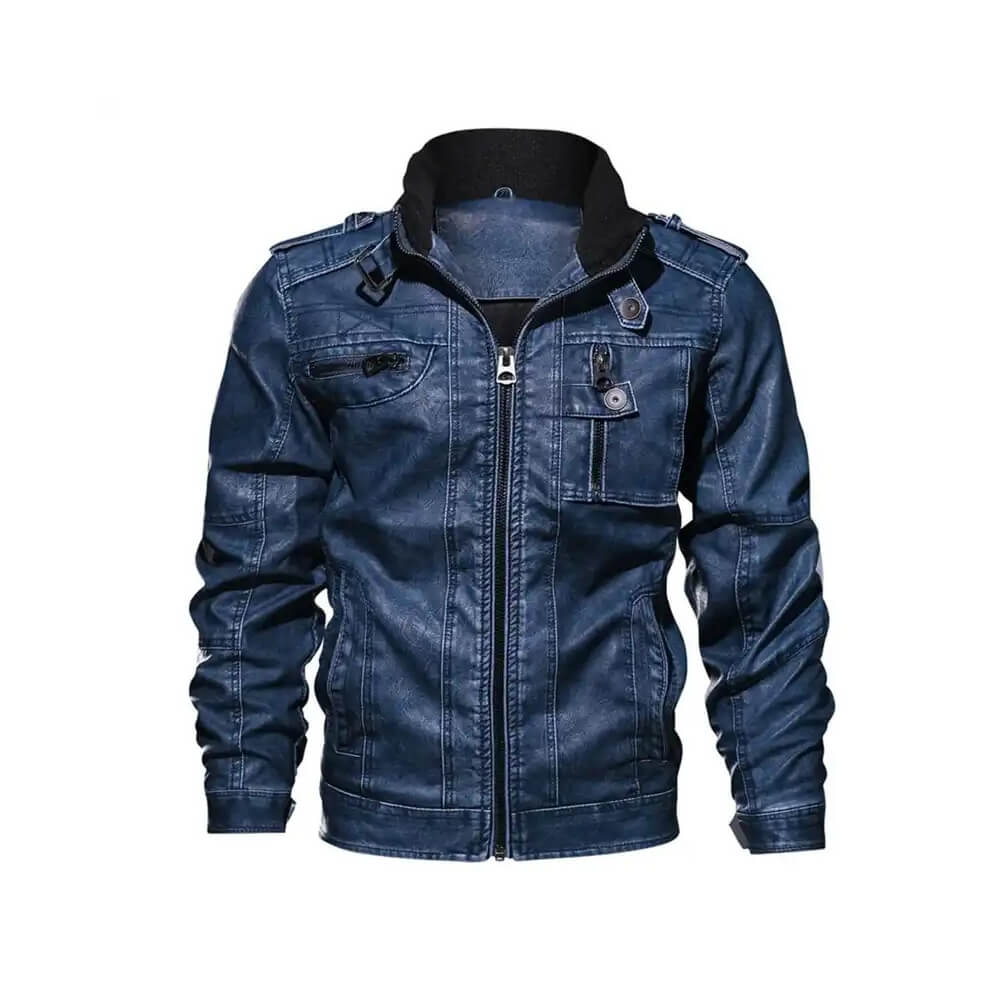
Every brand that sources from a factory chooses, sometimes without realising it, between two very different models. In OEM you supply the design and the factory builds to your specification. In ODM the factory supplies an existing design and you brand it. The choice determines your cost structure, your time to market, your legal exposure and — most importantly — how defensible your product is once competitors notice it. This guide explains the real distinction, when each model wins, how intellectual property and exclusivity actually work in practice, what a proper tech pack contains, and a decision framework based on order size and brand maturity.
## The Real Difference, Not the Marketing Version
The terms are used loosely, so here is the working definition that matters commercially.
OEM (Original Equipment Manufacturer) — you are the originator of the design. You provide a tech pack, reference sample or detailed specification. The factory’s role is manufacturing: pattern development, grading, cutting, stitching, finishing, inspection and packing, all to your design. The product carries your brand and your intellectual property. You own the design; the factory owns the process.
ODM (Original Design Manufacturer) — the factory has already developed the design. You select from their range, apply your branding, possibly choose material and colour variants, and take the product to market. The factory owns the design.
There is also a middle model that most real relationships actually use, and it is worth naming honestly: adapted ODM. You take an existing factory design and modify it — different material, different colourway, added pocket, different cuff, your branding. This is neither pure OEM nor pure ODM, and for a large share of buyers it is the economically correct answer.
Why the distinction has commercial teeth:
| Dimension | OEM | ODM |
|---|---|---|
| Who owns the design | You | The factory |
| Development cost | Yours — pattern, grading, sampling | Factory’s, amortised across their customers |
| Time to first order | Longer (weeks of sampling) | Short — often days |
| MOQ | Usually higher per style | Often lower, since the design already exists |
| Uniqueness | Your product only | Shared with other buyers of the same design |
| Legal exposure | You must ensure the design does not infringe | Factory carries design risk, but so does its other buyers |
| Margin potential | Higher, because the product is defensible | Lower, because the product is comparable |
## When OEM Is Worth the Investment
OEM pays when the design is the business. Choose OEM when:
The product is your differentiation. If the fit, the construction, the panel layout or the mechanism is what makes your brand worth buying, that must be yours. An ODM product can be bought by the customer next to you.
You are solving a specific problem. If your market needs a glove with a particular grip pattern for a particular tool, or a jacket with a specific pocket configuration for a specific trade, that requirement is a design and it needs OEM.
You operate in a regulated category. Certified PPE is a strong argument for OEM, because you control the material, construction and documentation that underpin the conformity claim. If your CE marking depends on the exact construction tested, that construction should be yours.
You have volume. Development investment only amortises if you produce repeatedly. OEM is normally justified from a few hundred units per style onwards, and comfortable at a thousand-plus.
You want exclusivity. A design you originated is the cleanest form of exclusivity there is: nobody else can legally produce it.
The costs are real: pattern development and grading, sample iterations (expect two or three before approval), and a longer runway before your first sale. Budget several weeks and a meaningful development spend before your first production order.
## When ODM Gets You to Market Faster and Richer
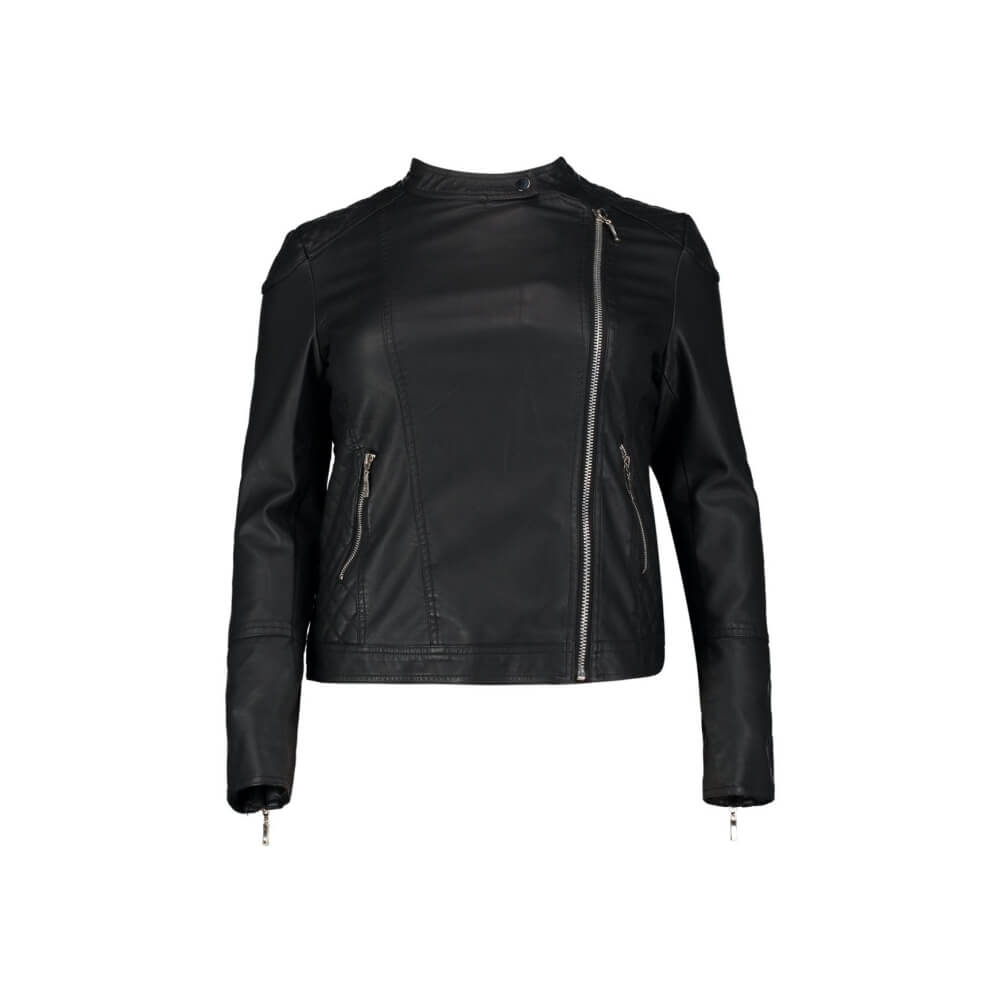
ODM is not the cheap option; it is the fast option, and speed has its own return. Choose ODM when:
You are validating a category. Before committing to tooling and development, prove that your market will buy the product at all. An ODM order at low MOQ is market research with inventory attached.
You need revenue next month. OEM development plus production typically means a quarter before launch. ODM can ship in weeks.
Your advantage is brand, not design. If your customers buy you for your service, your distribution or your brand, the underlying product can be a well-made design the factory has already perfected. Nothing is lost.
The category is not your core. A distributor adding a complementary line does not need to originate a design to sell it credibly.
You are small. Below a few hundred units per style, OEM development cost per unit becomes punitive. ODM spreads the factory’s development across all its customers, so you pay only your share.
The trade-off: your product is comparable to other ODM buyers’ products, so price becomes a more visible part of the decision. Mitigate it with material upgrades, better colourways, superior packaging and your own branding — all of which are available on an ODM base.
## The Honest Middle: Adapted ODM
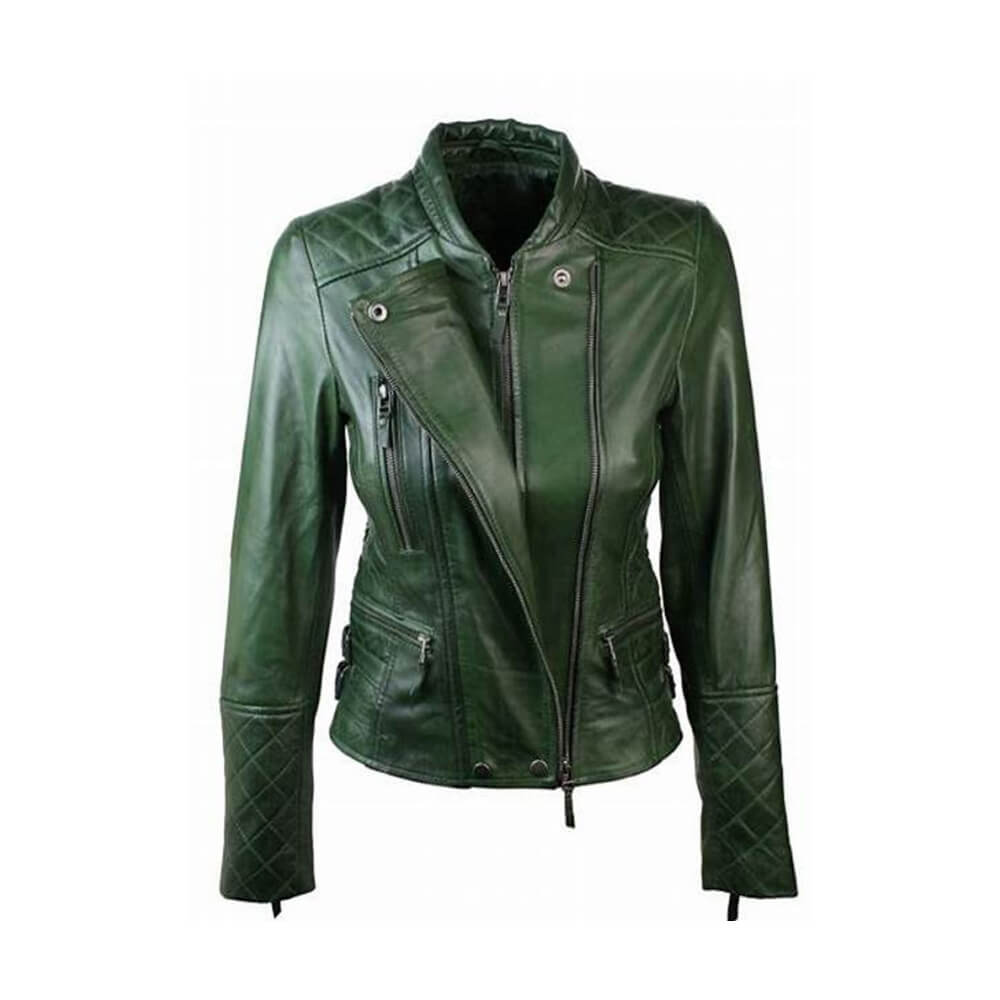
For most buyers between 100 and 1,000 units per style, adapted ODM is the best of both worlds. Take a factory design that already fits your category and change the two or three things that define your product: material grade, colourway, cuff or closure, pocket configuration, trim colour, branding. You avoid the full development cost and the long runway, while producing something that is not identical to what the factory sells to everyone else.
This is the model we use with most new buyers, and it exists because the design margin is genuinely in the details: a darker colourway, a thicker hide, a reinforced palm, a better label, a printed box. None of these require a new pattern.
## Intellectual Property, Exclusivity and NDAs
This is where buyers get hurt, and where a little paperwork prevents a lot of trouble.
Ownership. In OEM the design is yours — put that in writing, in the purchase order or a separate IP clause. In ODM the design belongs to the factory; you license nothing, you simply buy product. Do not assume that ordering a product gives you rights to the design.
Exclusivity. Ask for it explicitly, in writing, with a scope: exclusive to a named market, or to a named product, for a defined period. Factories can and do grant market exclusivity — a supplier may happily agree not to sell a specific design into the UK for two years while continuing to sell it elsewhere. What you will not normally get is worldwide exclusivity on an ODM design with no commitment, because that would strand the factory’s investment.
NDAs. For OEM work, sign a mutual NDA before sharing tech packs, artwork or market data. Suppliers handle competitors’ specifications every day and are generally comfortable with NDAs; a refusal to sign at all is a signal worth noting.
Infringement risk. In OEM, you are responsible for ensuring your design does not infringe someone else’s rights — do not send a design you copied from a brand’s catalogue. In ODM, the factory owns the design risk, but you should still ask whether the design has been sold to anyone else in your market.
Tooling and patterns. If you paid for a pattern or a mould, clarify who holds it. Good practice is that you own the pattern you paid for and the factory retains it only to produce your orders.
## What a Proper Tech Pack Contains
If you choose OEM, the quality of your tech pack determines how many sample rounds you pay for. A complete pack includes:
- 1. Design drawings — front, back, side, detail views, with measurements
- 2. Bill of materials — every material, trim, thread, hardware and label, with specifications and preferred suppliers where relevant
- 3. Measurement spec sheet — points of measure with tolerances, plus a graded size run
- 4. Construction notes — seam types, stitch density, reinforcement locations, closure method
- 5. Colour references — Pantone numbers for every colour
- 6. Branding artwork — vector logo files, placement diagram with measurements, label and hang tag specifications
- 7. Compliance requirement — the standard and year, performance level and destination market
- 8. Packaging specification — polybag, carton, barcode, carton marking
- 9. Reference sample — where you have one
Most buyers who complain about repeated sample failures simply have an incomplete pack. Supplying all nine removes almost all ambiguity.
## A Practical Decision Framework
Use order size and brand maturity together:
| Situation | Recommended model | Why |
|---|---|---|
| First order under 200 units | ODM or adapted ODM | Development cost per unit is punitive at small volume |
| 200–1,000 units, existing category | Adapted ODM | Differentiation from material, colour and trim without development cost |
| 200–1,000 units, novel product | OEM | If the design is the differentiator, it must be yours |
| 1,000+ units, brand with a clear identity | OEM | Development amortises and the design becomes defensible |
| Certified PPE programme | OEM | You need control over the tested construction and documentation |
| Distributor adding a complementary line | ODM | Design is not your advantage; speed and margin are |
| Brand validating a new market | ODM trial, then OEM | Prove demand first, then invest in proprietary design |
| Retailer with a strong own-label identity | OEM or adapted ODM | Own-label credibility depends on the product being yours |
A useful discipline: start with an ODM or adapted-ODM trial to validate demand, then migrate your best-selling SKU to OEM once the volume justifies it. That sequencing keeps your capital at risk low while building towards a defensible product line.
## Frequently Asked Questions
Q: What is the difference between OEM and ODM in simple terms? In OEM you supply the design and the factory manufactures it. In ODM the factory supplies an existing design and you brand it. OEM gives uniqueness and higher margin; ODM gives speed and lower development cost.
Q: Which is cheaper, OEM or ODM? ODM has a lower entry cost because the factory’s development work is shared across customers. OEM costs more up front because you fund pattern development and sampling, but it produces a more defensible product and a higher achievable margin.
Q: Can I get exclusivity on an ODM design? Yes, if you negotiate it in writing with a defined scope — a named market or product for a set period — and usually with a volume commitment attached.
Q: Do I need a tech pack for OEM? Yes. A tech pack containing drawings, bill of materials, measurement spec, construction notes, colour references, branding artwork, compliance requirements and packaging specification removes almost all sample-round ambiguity.
Q: What is adapted ODM? It is the middle model: you take an existing factory design and change material, colourway, closure, trim or pockets, then apply your branding. Most buyers between 100 and 1,000 units use this.
Q: What is a typical OEM lead time? Plan 2–4 weeks for pattern development and sample approval, then 20–45 days for bulk production depending on the product.
Q: Should I sign an NDA before sharing my design? Yes. A mutual NDA before sharing drawings, tech packs or market data is standard practice in OEM work.
Not sure which model suits you? Send us the product, the target quantity per style and your market, and we will recommend the model that gets you to market with the right cost structure, plus a sample plan and lead time. Request a quote, or explore how we work as a manufacturer across leather gloves, sportswear and leather garments.