
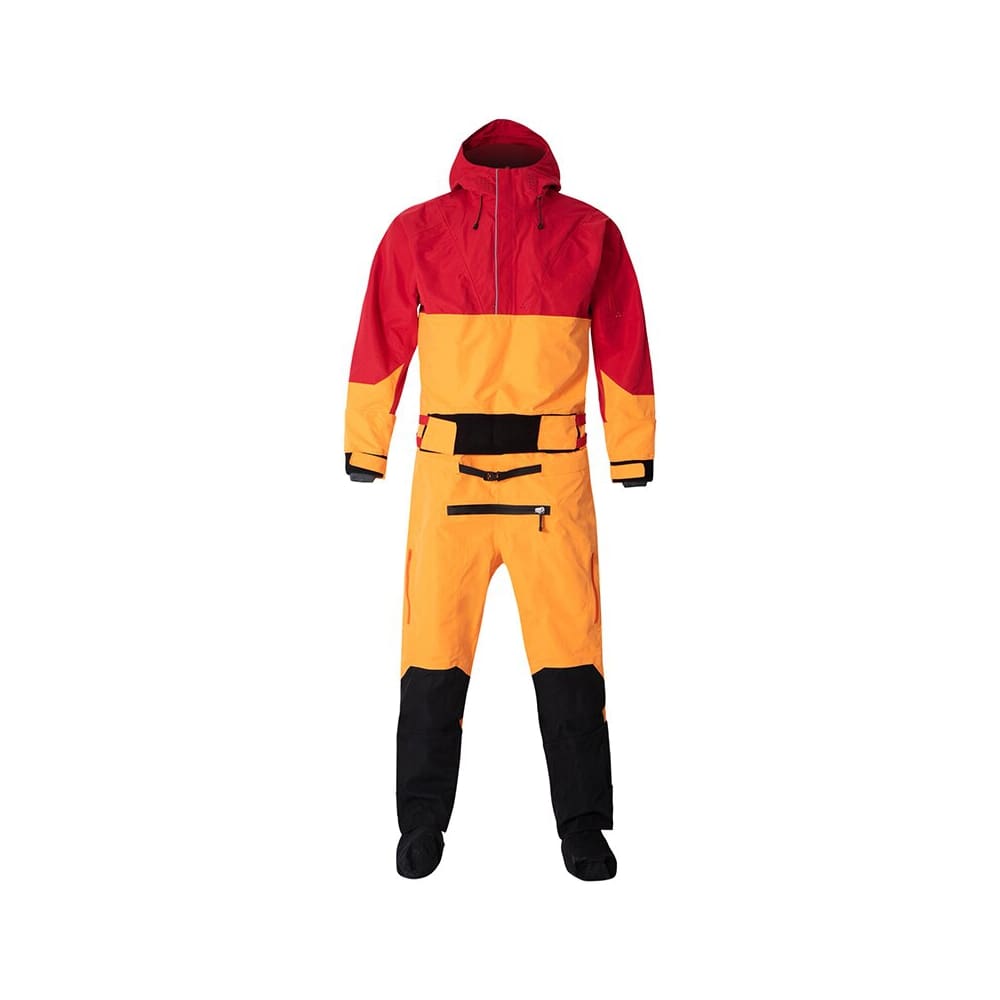
Buyers new to uniform programmes tend to view branding as a cosmetic add-on, the last line item after fabric, tape and stitching have been decided. Experienced buyers treat it as a functional investment, because branded workwear changes how a workforce behaves, how customers perceive a company, and how easily a contractor is identified as the right one on a busy site. This guide covers what branding actually delivers, which decoration method suits which garment, the placement rules that keep hi-vis clothing compliant, how industrial laundering affects logos, and how to brief a manufacturer so the first run is the one you keep.
## Why Branded Workwear Is Functional, Not Decorative
Compliance and legitimacy on site. Many contractors, utilities and larger clients require subcontracted staff to be visibly identifiable. Unbranded workwear creates friction at site gates and on audits. Branded workwear solves an operational problem, not a marketing one.
Employee adoption. This is the effect most buyers underestimate. Workers who are handed branded, well-fitting garments of obvious quality wear them correctly and look after them. Workers handed anonymous generic clothing leave it in a locker. A uniform that is worn is a uniform that protects, and it also reduces the damage-and-replacement rate you are funding.
Instant identification. On a live site, the ability to identify who works for which company in three seconds has safety and security value. That applies to emergency services, utilities, construction and warehousing.
Professional credibility. When the same branded uniform appears on a crew, in a van livery and on a quotation document, a residential or commercial customer reads a structured organisation rather than an informal crew. For contractors selling against unregulated competition, this distinguishes them at the point of sale.
Brand echo in public space. Every hi-vis vest in a town centre, every branded jacket in a service van, is a moving advertisement that no paid channel can replicate in the same way. Unlike a billboard, it also appears at the moment somebody needs the service.
## Choosing the Right Decoration Method
The wrong method fails early and takes the garment with it. Match the method to the fabric, the artwork and the wear environment.
| Method | Best for | Durability | Verdict |
|---|---|---|---|
| Embroidery | Polos, softshell jackets, fleeces, caps, cotton workwear, company crests | Excellent, survives industrial washing well | Highest perceived quality; ideal for textured detail and multi-colour logos |
| Heat transfer / vinyl | Hi-vis garments, synthetic shells, small logos, names and job titles | Good, but heat and abrasion sensitive | The practical choice where embroidery would perforate reflective tape or a coated shell |
| Screen print | T-shirts, light cotton workwear, large flat graphics, high-volume promo | Moderate; can crack on stretch or high heat | Economical at volume, less so at MOQ |
| Sublimation | Performance knits, sports and light workwear | Does not crack or peel; it dyes the fibre | Colour-unlimited and excellent value at volume; not applicable to hi-vis compliant garments |
| Woven / heat-sealed badge | Hi-vis garments where applied branding is restricted | Good | Often the compliant route when direct decoration is not permitted |
| Embossed / debossed leather patch | Leather jackets, aprons, premium leather goods | Very durable | Adds a premium signal to leather garments |
A manufacturer who offers only one method will steer you into it regardless of fit. Ask what methods they run in-house, and ask to see a decorated sample on the exact fabric you are ordering.
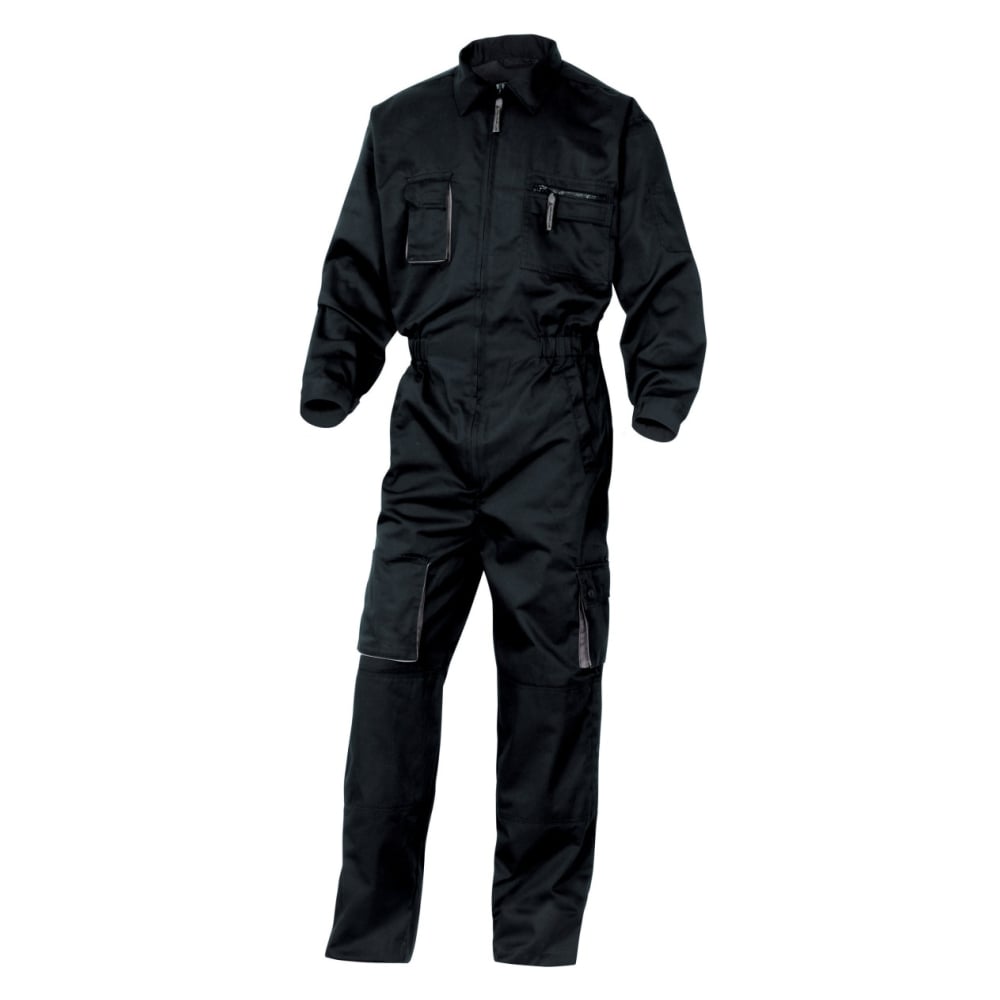
## Placement Rules That Keep Hi-Vis Compliant
This is where well-intentioned branding quietly breaks certification — and it is the mistake most often caught during a client audit.
The logic is simple: a hi-vis garment is certified to EN ISO 20471 because a defined area of fluorescent background material and retro-reflective tape is visible and undamaged. Anything that reduces that visible area, or covers the tape, can invalidate the classification.
Rules to brief your manufacturer on:
- 1. Never place a logo over reflective tape. No heat transfer, no embroidery, no thread. Covering tape reduces its retro-reflective performance and can void the garment’s classification.
- 2. Do not obscure so much background fabric that the class area requirement fails. A large back panel print can, in theory, do this. Keep logos proportionate and confirm with your certification body on large-format artwork.
- 3. Avoid embroidery on thin hi-vis fabric where the needle perforation could compromise the tape or the coating. Use a heat-sealed or woven badge, or heat transfer, instead.
- 4. Do not decorate over the class marking, size label, care label or the certification information. Those must remain legible.
- 5. If in doubt, replicate the approved sample exactly. Once a decorated sample passes, treat it as the master for all future production.
For non-hi-vis workwear, none of these restrictions apply, so your artwork can be bolder and larger.
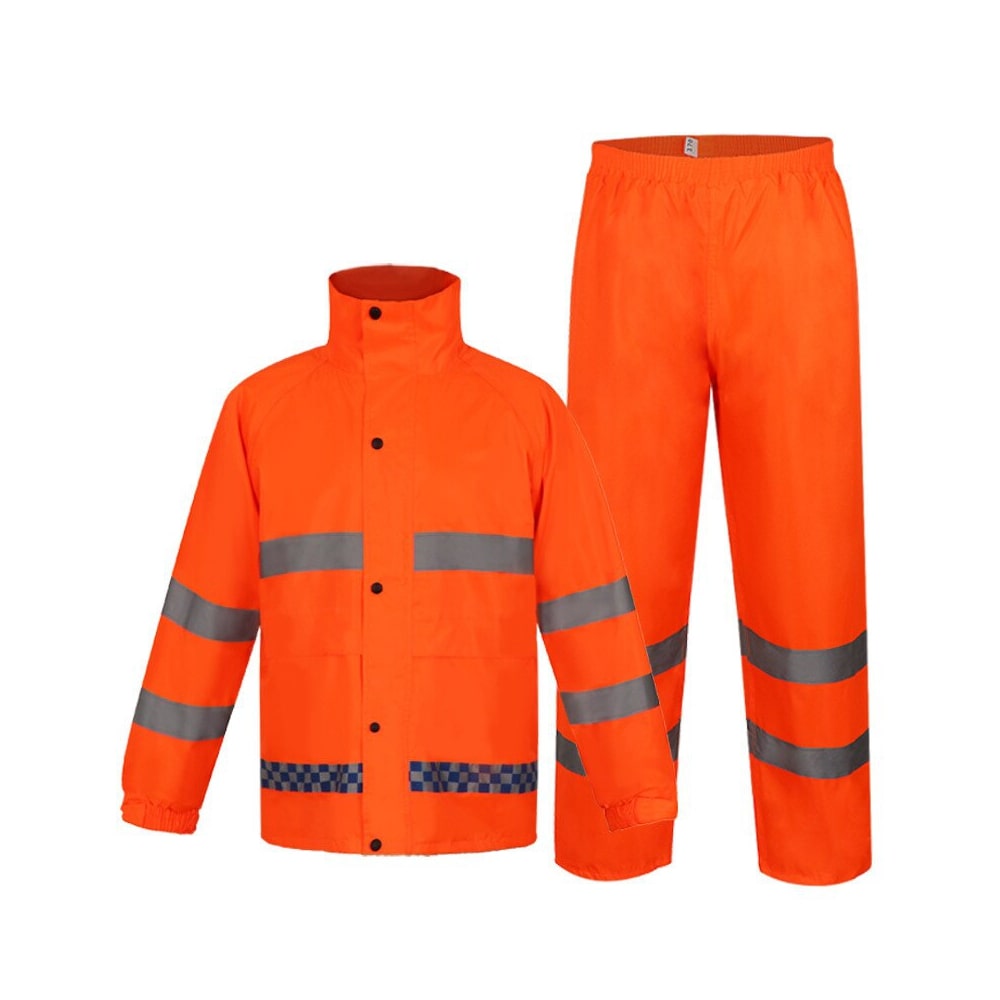
## Industrial Laundering: The Durability Test That Matters
Most workwear is not laundered at home. It goes through an industrial laundry, often at high temperature, sometimes at high pH, sometimes with bleach. That process destroys branding that looked fine in the sample room.
Ask three questions before approving a decoration:
- How many industrial wash cycles does this decoration survive? For hi-vis reflective tape, the relevant standard tests wash durability, and your tape supplier’s data should be available. Ask to see it.
- Does the thread or vinyl colour bleed or fade? Ask for a wash test on the actual garment, not on a swatch.
- Does the logo material shrink or crack? Heat transfer vinyls vary enormously in quality; a cheap vinyl will lift at the edges within ten cycles.
Where a programme involves constant industrial washing, embroidery generally outlasts printed and heat-applied decoration. Where the garment itself cannot take embroidery, specify a higher-grade heat transfer material and budget for it. Saving $0.20 per garment on decoration is a poor trade if the logo fails in month three.
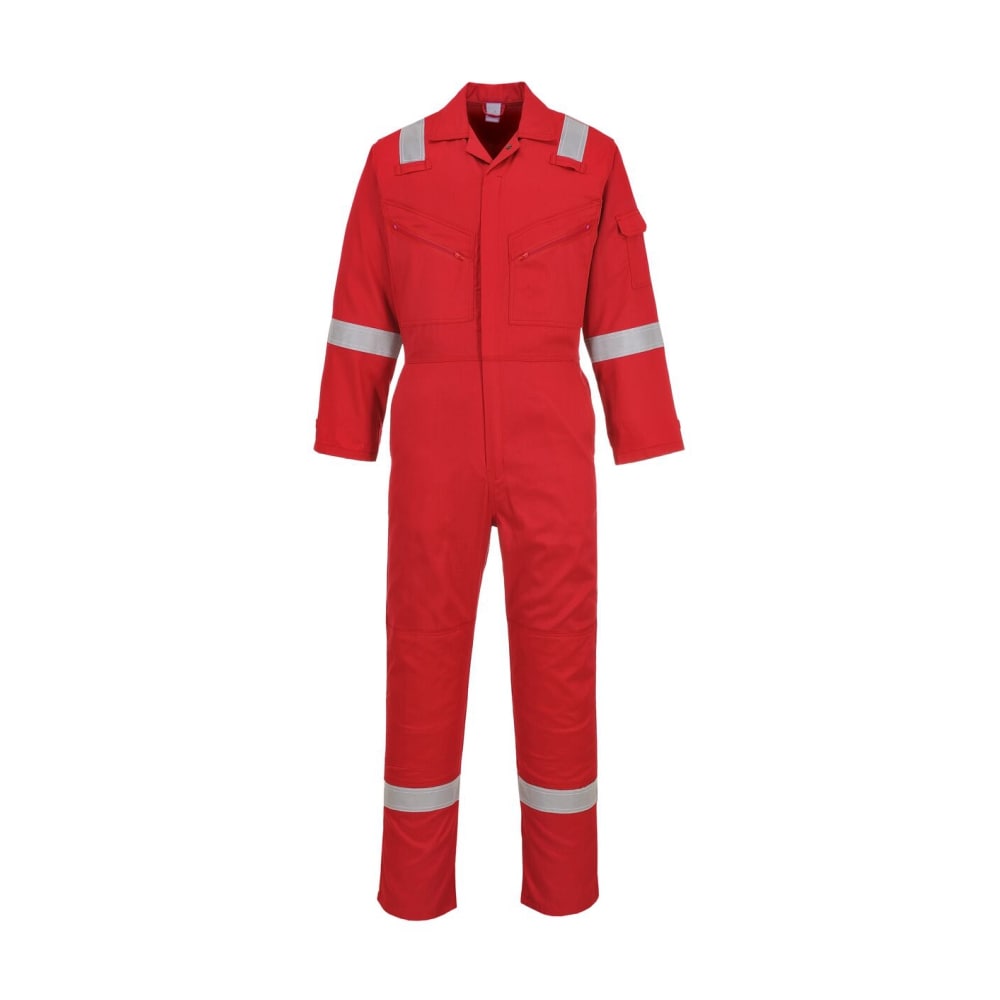
## Sizing, Grading and Mixed Orders
A branded uniform fails in a different way than an unbranded one: inconsistent sizing produces a workforce that wears the trousers it has rather than the trousers it should. Brief your manufacturer on:
- A graded size set, not just one size. Ask for the full measurement spec sheet across the range before placing bulk.
- A mixed-size carton ratio. Realistically, most crews need far more medium and large than small and 3XL. Let the factory plan the ratio rather than ordering evenly across sizes.
- Build in growth. Uniform programmes are rarely ordered once. Keep your size ratio on file so reorders match the first order exactly.
## What Branding Actually Costs
Decoration is a per-unit cost that scales down sharply with volume. Broadly:
- Embroidery carries a one-time digitising charge (creating the machine file from your logo) plus a per-unit stitching price. The digitising charge is paid once, then amortised across every future order forever.
- Heat transfer and screen print carry a one-time setup charge per artwork per colour, then a per-unit price that falls with quantity.
- Woven badges carry a bespoke weaving setup, then a modest per-unit cost — usually the most economical route for large hi-vis programmes where direct decoration is restricted.
At low volumes, setup charges dominate and branding can look expensive. At 500 units and above, decoration is usually a small single-digit percentage of garment cost. That is the point at which a branded programme becomes cheaper per wear than the unbranded alternative, because replacement rates fall.
## How to Brief a Manufacturer Properly
Send these seven things and you will avoid almost every revision cycle:
- 1. Artwork in vector format — AI, EPS, SVG or PDF. Not a JPEG from a phone.
- 2. Colour references as Pantone numbers. “Blue” is not a specification.
- 3. Placement diagram with measurements from collar, shoulder seam and armhole — not “chest centre”.
- 4. Maximum logo dimensions, especially on hi-vis garments.
- 5. Decoration method preference, or ask for a recommendation per garment.
- 6. Sample requirement — always approve a decorated sample in your own size range before bulk.
- 7. Laundering conditions, so the correct thread and material grade is selected.
## Frequently Asked Questions
Q: What is the minimum order for custom logo workwear? Typically 100 pieces per style per colour, with tiered pricing starting from 500 pieces. Branding setup charges are one-time.
Q: Is embroidery or heat transfer better for hi-vis jackets? Heat transfer or a woven badge is usually the correct choice on hi-vis, because embroidery can perforate the fabric and reflective tape must not be covered. For non-hi-vis workwear, embroidery generally offers the best durability.
Q: Can you put our logo on reflective tape? No — and we will refuse to. Decorating over reflective tape can invalidate the garment’s EN ISO 20471 classification. Logos go on the background fabric.
Q: How long does a branded workwear order take? Digitising and sample approval typically take 1–2 weeks, and bulk production 30–45 days from confirmation.
Q: Will the logo survive industrial washing? It depends on the decoration method and the grade of material used. We specify a decoration method based on your stated laundering conditions and can provide wash-test evidence.
Q: Can we use different logos on different garments in one order? Yes. Artwork and placement are recorded per garment, and mixed orders are common in uniform programmes.
Q: Do you keep our artwork on file for reorders? Yes — and reorders use the same digitised file, so the branding is identical every time.
Building a branded uniform programme? Send us your artwork, size range, quantity and laundering conditions, and we will return a decorated-sample plan, pricing tiers and lead time within 24–48 hours. Request a quote, or explore our industrial workwear and leather garments ranges.