
There is a version of sourcing that feels comfortable and a version that makes money. The comfortable version is buying from a domestic wholesaler who answers the phone in your time zone, hands you a catalogue and ships in three days. The profitable version is buying direct from the factory, absorbing a longer lead time and a modest paperwork burden, and capturing the margin that the middle of the supply chain was quietly taking. This article breaks down the real cost stack, the actual maths of landed cost, when wholesale genuinely beats direct sourcing, and how to vet a factory so that the savings do not come with a hidden quality tax.
## The Real Cost Stack: Where Your Money Actually Goes
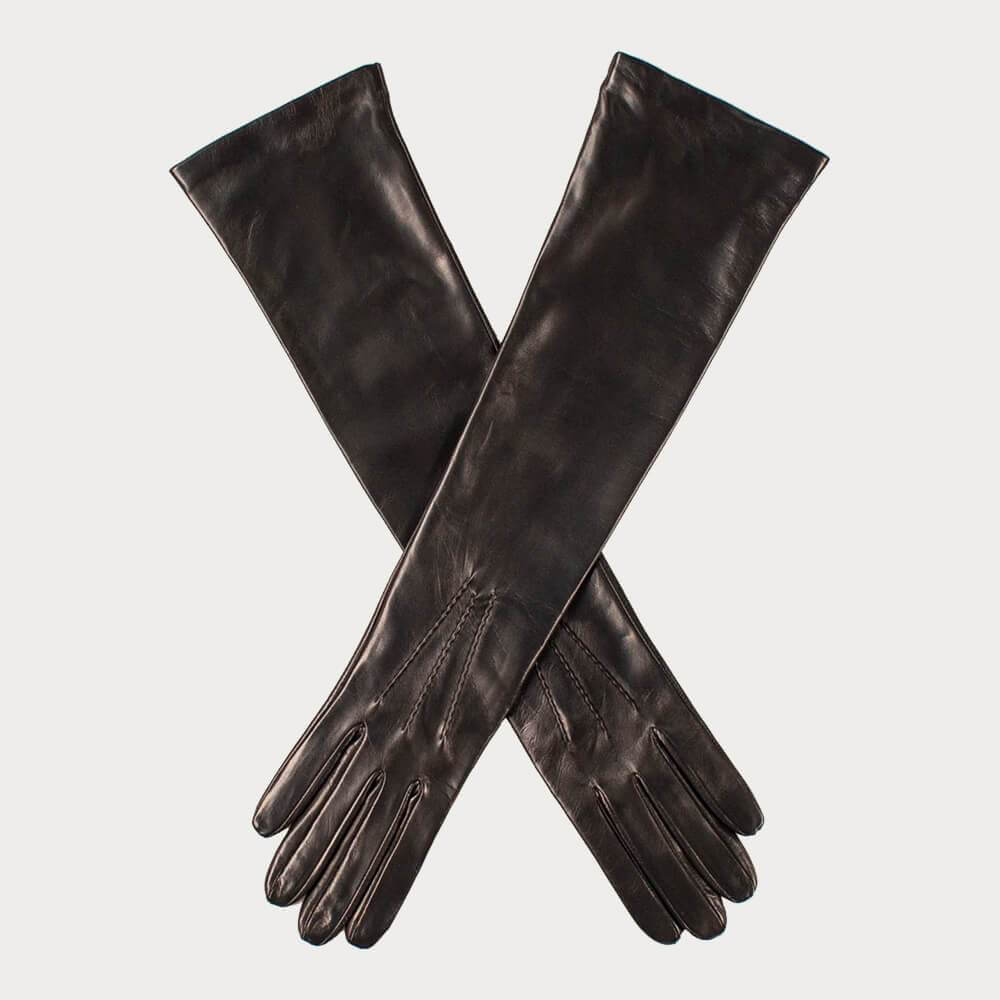
A pair of leather work gloves that retails at $14 in a hardware chain does not cost $14 to make. Walk the chain backwards:
| Stage | Typical markup on cost | What it adds |
|---|---|---|
| Factory (FOB price) | — | Leather, lining, labour, packaging, factory margin |
| Export agent / trading company | 5–15% | Order facilitation, sometimes nothing else |
| Shipping, duty, insurance | Fixed + duty % | Freight, import duty, brokerage, inland haulage |
| Importer / national distributor | 25–40% | Warehousing, credit terms, sales team, returns |
| Regional distributor | 15–25% | Local stock, delivery |
| Retailer | 40–100%+ | Shelf space, merchandising, consumer credit |
The compounding effect is brutal. Each layer multiplies rather than adds. A glove leaving Sialkot at $2.10 FOB can legitimately reach $12–14 on a shelf. If you can remove even one or two layers — by buying direct and importing yourself — you are not shaving a few cents, you are repositioning the entire product in the market.
## Why Factory-Direct Removes 15–30% Without a Quality Penalty
Buying direct does not mean buying cheaply made goods. It means buying from the entity that actually controls the material, the labour and the quality inspection. That distinction matters for four reasons:
You control the specification. A trader can only sell you what is already in a warehouse. A manufacturer can cut your leather, your lining, your tape, your size grading, your branding. When you specify the product, quality stops being a lottery.
Your money is not funding someone else’s inventory. Traders price in the cost of holding stock, the risk of unsold sizes, and their own margin. Those costs vanish when you order production.
Communication is direct. When a specification issue arises mid-production, you talk to the person who can fix it. With a trading chain, your message is relayed, paraphrased and delayed, and the fix arrives after the goods ship.
MOQ becomes negotiable. Traders impose minimums that reflect container economics. Factories impose minimums that reflect cutting efficiency and material minimums — and those are often lower and more flexible for a repeat customer.
## The Landed Cost Calculation You Should Actually Use
The FOB price is not your cost. Build the true landed cost per unit before comparing suppliers:
Landed cost = FOB price + freight per unit + insurance + import duty + brokerage + inland haulage + inspection cost + a scrap/defect allowance
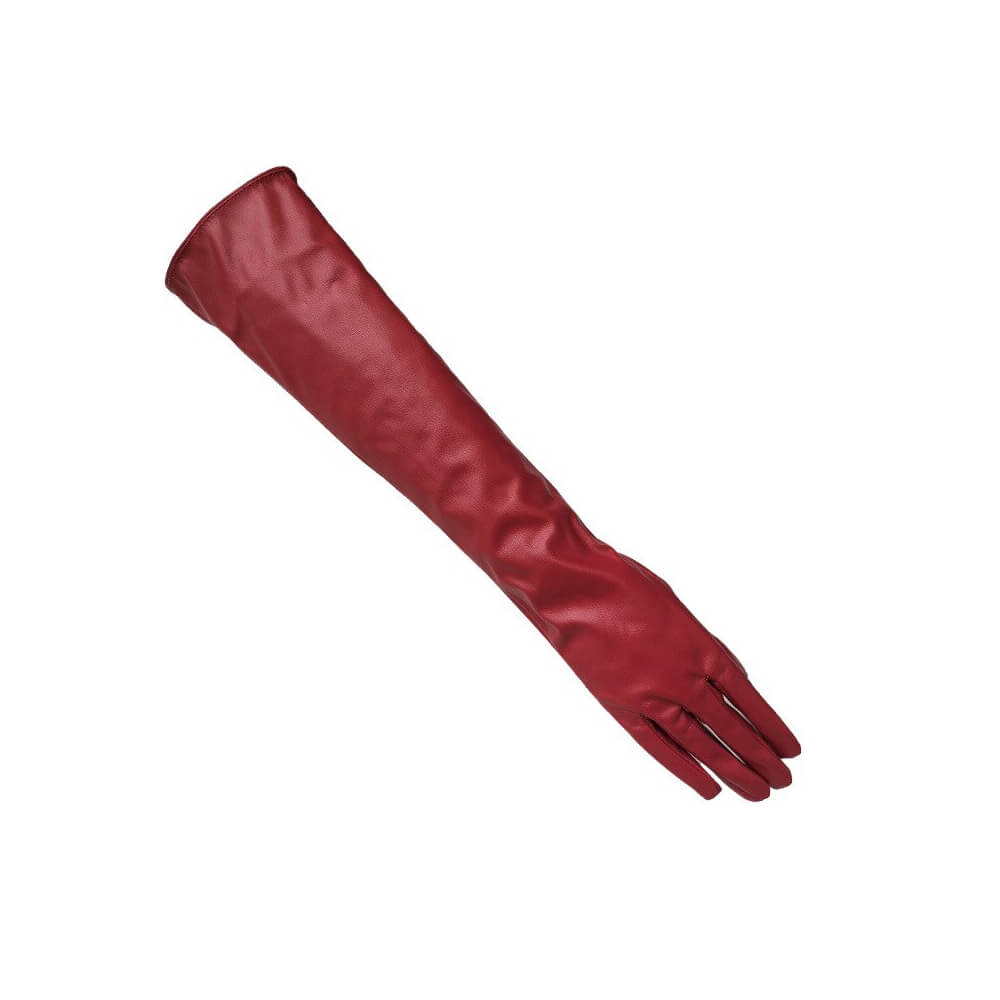
A worked example for an order of 5,000 pairs of leather work gloves:
| Component | Amount | Per unit |
|---|---|---|
| FOB price (5,000 pairs) | $10,500 | $2.10 |
| Ocean freight | $850 | $0.17 |
| Insurance | $60 | $0.01 |
| Import duty at 5% of FOB | $525 | $0.11 |
| Brokerage and documentation | $180 | $0.04 |
| Inland haulage to your warehouse | $320 | $0.06 |
| Third-party pre-shipment inspection | $250 | $0.05 |
| Defect/scrap allowance at 2% | $210 | $0.04 |
| Total landed cost | $12,895 | $2.58 |
Now compare that to a domestic wholesaler quoting $4.30 delivered. The gap is $1.72 per pair — 40% — and that is before volume scaling. At 20,000 pairs, freight and brokerage per unit roughly halve, and the gap widens further.
Two cautions. First, cheap air freight sounds fast until you divide it by units; for heavy leather goods it is usually only justified for a sample run or a genuine emergency. Second, never compare landed cost without counting inspection and a defect allowance. The suppliers who look cheapest are often the ones whose defect rate you have not measured yet.
## What Changed Since 2020: Container Freight and Duty Spread
Freight volatility has been the biggest single variable in the landed cost equation for several years, and it swings in both directions. The practical response for a serious buyer is to stop managing freight alone and start managing mix: book a full container with several SKUs rather than a partial load of one, negotiate CIF terms when your forwarder cannot beat the factory’s rates, and keep a small air-freight lane open for genuine replenishment emergencies.
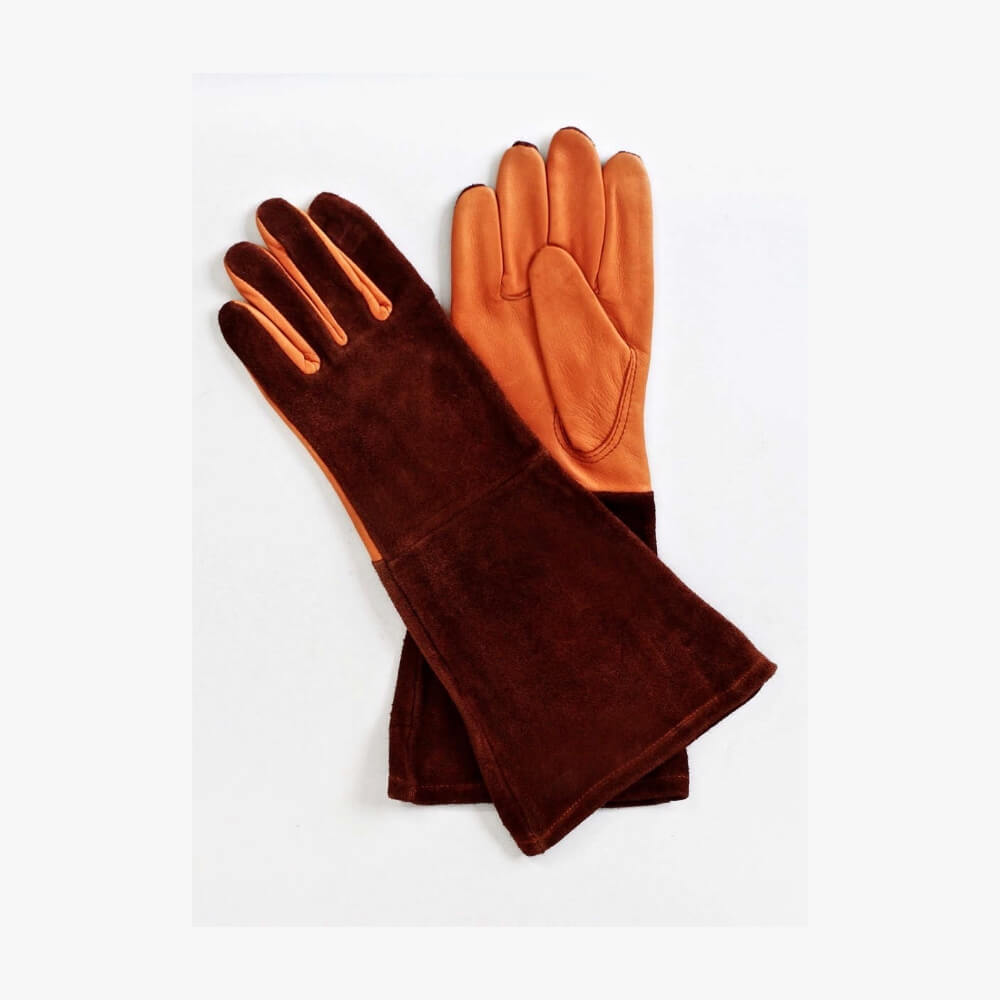
Duty is the other swing factor, and it is entirely within your control if you do your homework. Tariff codes for leather gloves and for textile workwear are different, and the rate can differ sharply between markets. Confirm the code with your broker before the first shipment, not after, and make sure your factory labels and invoices use the correct code.
## How Distributors Build Margin With Private Label
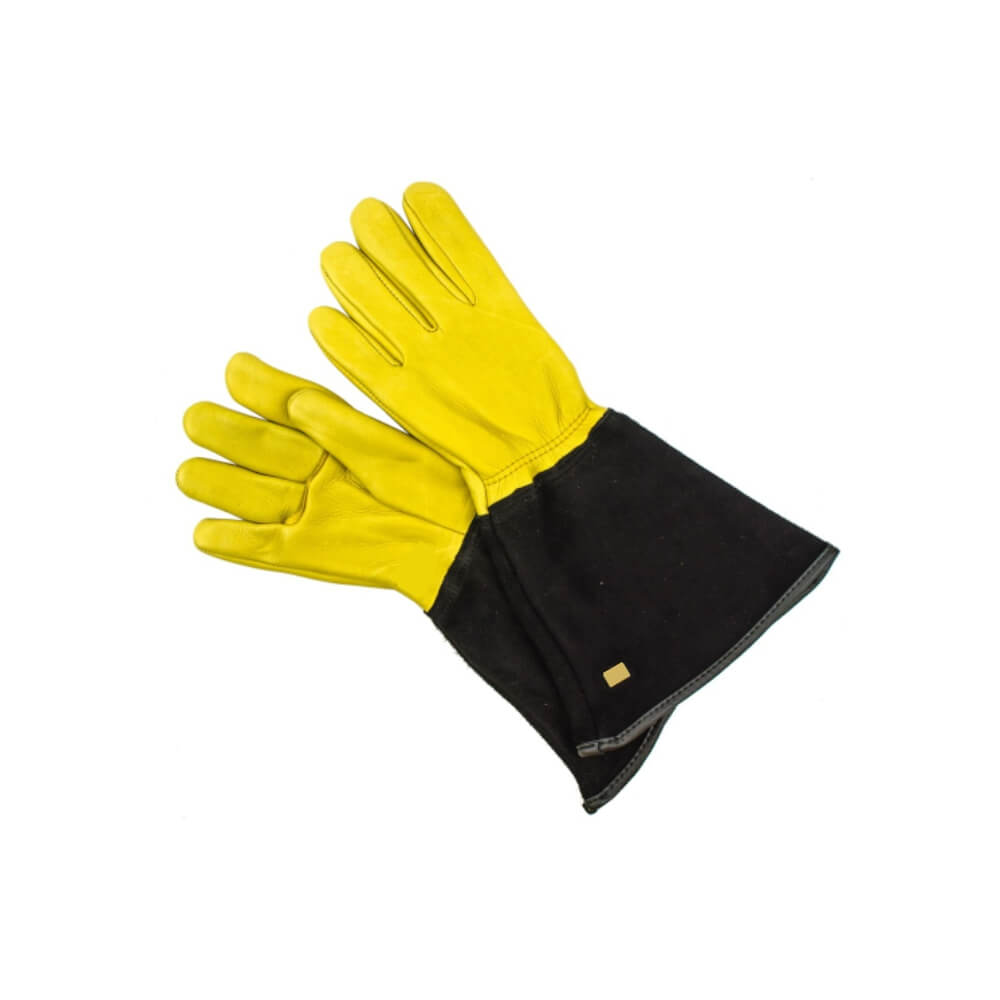
The highest-margin move for a B2B buyer is not buying cheaper — it is selling a brand instead of a commodity. Private label changes the economics in three ways.
Price decoupling. A generic leather glove competes on price against every other generic glove. A branded glove competes on the strength of the brand. That lets you price above the commodity floor.
Account control. Retailers who stock your brand cannot instantly swap you for a cheaper anonymous supplier, because the box, the label and the barcode are yours.
Aggregation. Once you control the brand, you can add adjacent SKUs — driver gloves, mechanics gloves, work trousers, hi-vis vests — and start consolidating orders, which lowers your landed cost per unit across the whole basket.
The investment is modest: your artwork, your packaging, a minimum order per SKU. Our standard MOQ for private label gloves starts at 100 pairs per style, with tiers from 500, which means a distributor can test three or four SKUs for the price of a single sample programme.
## When Wholesale Genuinely Beats Factory-Direct
Direct sourcing is not always the answer, and pretending otherwise would be dishonest. Wholesale wins when:
- You need goods this week. Factory production is 20–45 days. If a customer needs 200 pairs tomorrow, a domestic wholesaler is the correct decision and the margin you give up is the price of speed.
- Your volume is genuinely tiny. Below roughly 100 units per style, the fixed costs of international logistics, duty and inspection eat the arbitrage.
- You cannot handle import compliance. Duty classification, customs clearance, and product compliance in your market (CE, ANSI, REACH, Prop 65) are real obligations. If you are not prepared to own them, pay someone who will.
- You need credit terms you cannot get. A wholesaler offering 60 days is effectively financing your inventory. A factory will normally want a deposit.
- The category is not your core. Buying small quantities of a complementary product from a wholesaler is more sensible than mastering a new import lane for 300 units.
For everything else — a repeatable SKU with a stable price, sold into a market you already know — direct sourcing wins on economics roughly 9 times out of 10.
## How to Vet a Factory in Seven Questions
- 1. Do you manufacture or trade? Ask for a live video tour of cutting, stitching and packing, and ask which department they will send you to first.
- 2. Which standards can you test to, and with which lab? Vague answers mean no real testing.
- 3. What is your actual MOQ and what happens to it on a reorder? Reorder MOQs should be lower than first-order.
- 4. What is your defect rate and your inspection standard? AQL 2.5 is the industry default; ask what they do when a lot fails.
- 5. Who are your existing customers in my market? References are the strongest signal available.
- 6. Will you accept a third-party inspection? A refusal here is disqualifying.
- 7. What is your payment term, and does it include a deposit against a Bill of Lading? Standard B2B terms protect both sides; 100% upfront is a warning sign.
## Frequently Asked Questions
Q: What is a typical wholesale MOQ for gloves and workwear? For gloves, 100 pairs per style; workwear, 100 pieces per style; sportswear, 50 pieces per design. Volume pricing typically starts at 500 units.
Q: How much cheaper is factory-direct than buying from a domestic wholesaler? Typically 30–50% on the same specification, before you account for branding and margin uplift from private label.
Q: How do I calculate landed cost properly? Add FOB price, freight per unit, insurance, duty, brokerage, inland haulage, inspection and a defect allowance. Divide by units. Compare that number, never the FOB price alone.
Q: Do I need a full container to order direct? No. Most factories, including ours, ship LCL (less than container load) for smaller orders, and air freight for urgent sample runs, though per-unit cost is higher.
Q: What payment terms are normal? Typically a 30–50% deposit with the balance against a copy of the Bill of Lading, or a letter of credit for larger orders.
Q: Can I start small and scale? Yes. Order one or two SKUs at MOQ, validate the quality in your market, then consolidate into a larger mixed-SKU order and negotiate tiered pricing.
Q: Does direct sourcing include customs paperwork? The factory supplies commercial invoice, packing list, certificate of origin, bill of lading and any conformity documentation. Your broker handles clearance and duty.
Want a landed-cost comparison for your own SKUs? Send us your product specification, quantity and destination port, and our export team will return FOB, CIF and lead-time options within 24–48 hours. Request a quote, or browse our leather gloves and sportswear ranges.