
Two gloves can look identical in a photograph and behave completely differently after three weeks of use. The difference is almost never the brand on the box — it is the layer of the hide, the animal it came from, how it was tanned, and how consistently the panels were matched. For B2B buyers specifying thousands of units, understanding leather grading is the difference between a product that generates reorders and a product that generates returns. This guide explains the grading system, the practical behaviour of each common leather type, what tanning actually does, and how to inspect a shipment before it leaves the factory.
## The Grading System: Which Layer of the Hide Are You Buying?
A hide is not a single uniform material. It has a top surface and a lower structure, and how it is split determines the grade — and the price — of what you receive.
Full-grain leather is the outermost layer with the grain intact and untouched. Nothing has been sanded away. It retains the natural surface, the tight fibre structure, and the full abrasion resistance of the animal’s skin. It develops a patina over time and it is the most expensive and most durable leather. For industrial gloves, full-grain is used where abrasion and heat are severe.
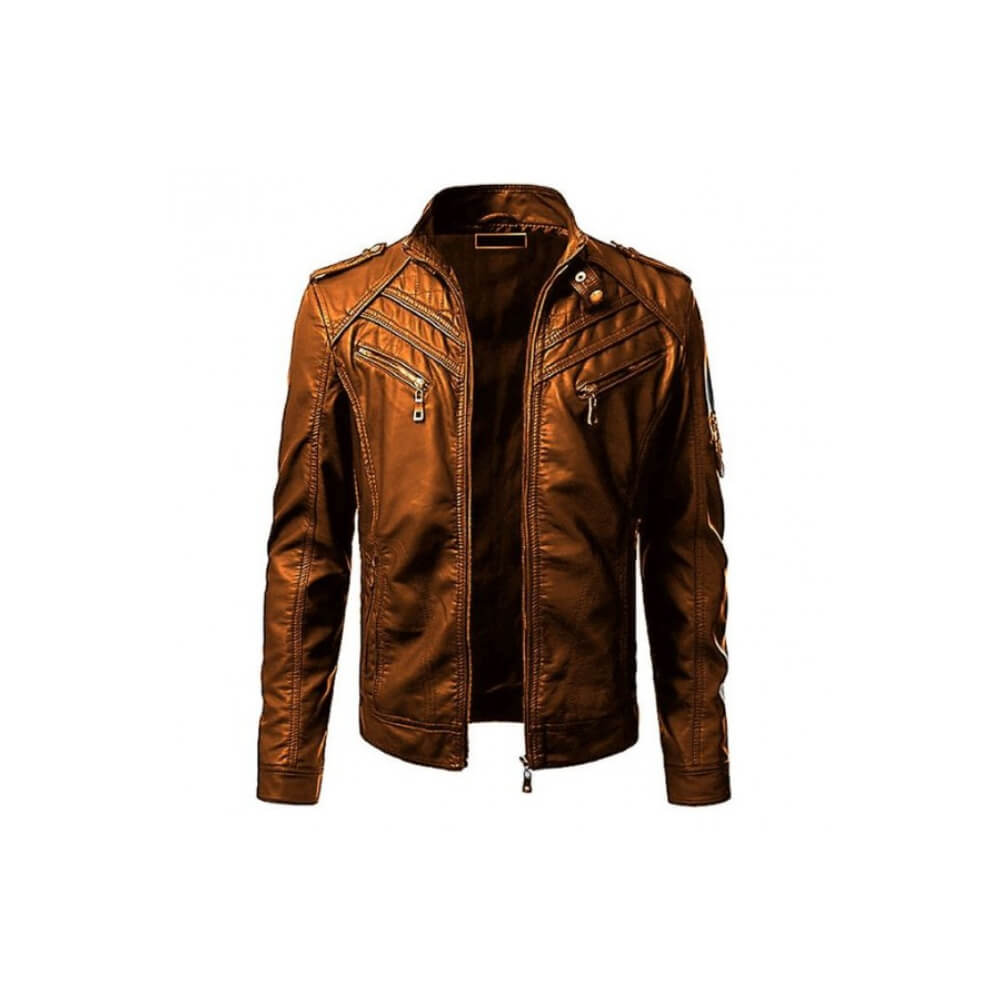
Top-grain leather has had the very outer surface lightly sanded and then finished. It looks more uniform and accepts dye more evenly, but removing the surface also removes some of the fibre density. It is the standard for premium leather jackets and fashion gloves.
Corrected-grain leather has had the surface sanded more aggressively to remove defects, then embossed with a pattern (often a grain print) and finished. It is uniform and economical, but the finish can wear through in high-friction areas. It is used where visual consistency matters more than durability.
Split leather is the lower layer of the hide after the grain has been separated. It has no natural grain because the grain went with the top layer. It is fibrous, thicker-feeling, economical, and — importantly for safety — it is naturally heat resistant and extremely good at resisting heat and molten spatter. This is why split cowhide is the classic choice for welding gloves.
Bonded leather is reconstituted from leather fibres and held together with binder. It is not appropriate for PPE and should not appear in a specification for industrial gloves.
| Grade | Grain visible | Abrasion | Cost | Typical use |
|---|---|---|---|---|
| Full-grain | Yes, natural | Highest | Highest | Heavy-duty industrial gloves, premium jackets |
| Top-grain | Yes, refined | High | High | Leather jackets, fashion gloves |
| Corrected-grain | Embossed pattern | Medium | Medium | Uniform-look jackets, economy gloves |
| Split | No grain | Medium–high (fibrous) | Low | Welding gloves, general duty, budget ranges |
| Bonded | Artificial | Low | Lowest | Not suitable for PPE |
## Which Animal, and Why It Changes Everything
The animal determines fibre density, thickness, and how the glove feels in the hand.
Cowhide / cattlehide is thick, dense and highly abrasion and heat resistant. It is the default for welding gloves, rigger gloves and heavy-duty work. It is not especially supple, so it suits protection more than dexterity.
Goatskin has a tight, dense fibre structure with excellent tensile strength relative to its thickness. It is supple, grips well when dry or oily, and delivers the dexterity needed for assembly and mechanics work. In many buyers’ experience goatskin outlasts sheepskin several times over in the same application — which makes it better value even at a higher unit price.
Sheepskin and lambskin are the softest and most supple, with the finest grain. They give the closest, most comfortable fit and are the choice for driver gloves, dress gloves, golf gloves and fine handling. They are, however, less abrasion resistant than goat or cow, so they are the wrong choice for heavy-duty work.
Pigskin is breathable, soft and has a distinctive porous grain. It is common in driver gloves and general-purpose gloves, and it handles perspiration well.
Buffalo is dense and durable, often used in heavier leather goods and some gloves, with a coarser grain than goat.
## Tanning: The Process That Decides Compliance
Tanning stabilises the hide so it does not decompose. The method used has commercial and compliance consequences.
Chrome tanning uses chromium salts and is the dominant industrial method. It is fast, produces soft, supple, consistently coloured leather, and is what most gloves and garments use. The compliance issue is hexavalent chromium (Cr VI), a restricted substance. Properly processed chrome leather controls Cr VI below the relevant threshold, but leather from an unregulated tannery may not. If you sell into the EU under REACH, ask specifically about Cr VI control.
Vegetable tanning uses plant tannins and produces firmer, firmer-feeling leather with a natural appearance that ages well. It avoids chrome entirely, which suits buyers with chemical restrictions. It is more expensive and less common in high-volume glove production.
Synthetic / aldehyde tanning is used as a chrome-free alternative in some production, particularly where chrome-free claims are needed.
For a B2B programme, the practical instruction is: state your target market, and require the tannery’s Cr VI statement alongside the REACH declaration. This is a documentation issue before it is a leather issue.
## How to Inspect a Leather Shipment in Ten Minutes
You do not need a laboratory to catch most quality problems. Do these checks on the first carton, and do them on a reorder too.
- 1. Grain check. Look at a raking angle in daylight. Natural grain has irregular pore patterns. An embossed corrected grain shows a repeating machine pattern. Neither is wrong — but you should be buying what you paid for.
- 2. Thickness consistency. Measure the same panel in three places with a gauge or, at minimum, a caliper. Uneven thickness produces uneven wear and poor fit.
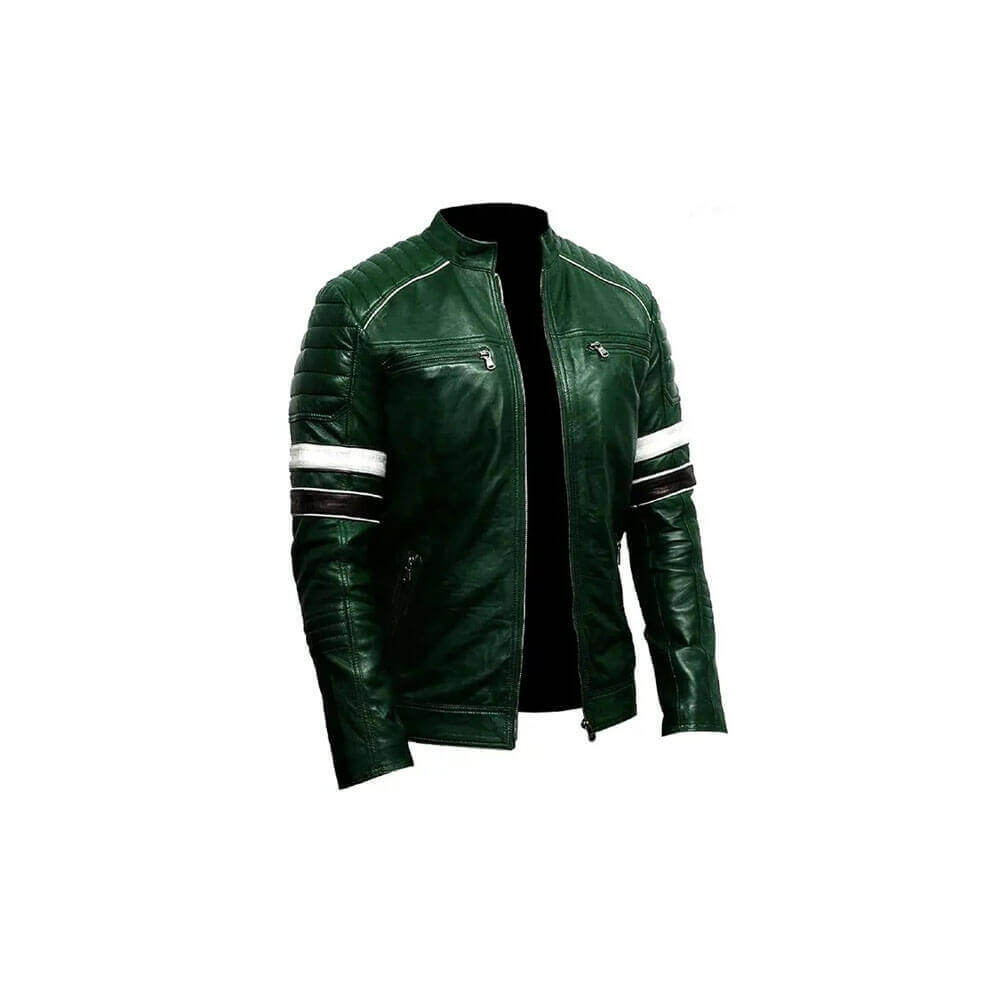
- 3. Colour consistency across panels. Lay three garments side by side under the same light. Panels within a garment, and garments within a carton, should match. This is the most common complaint from retail buyers.
- 4. Seam and stitch inspection. Look at stress seams — thumb, palm, cuff. Stitch density should be consistent and the thread should be appropriate to the leather. A Kevlar or high-tenacity thread is expected in heat-resistant products.
- 5. Hardware quality. Zips, snaps, rivets and eyelets. Cheap hardware fails before the leather does, and it is the usual cause of jacket returns.
- 6. Lining attachment. Check that the lining is anchored, not floating. A loose lining will pull out within weeks.
- 7. Smell test. A strong chemical odour can indicate inadequate finishing or poor storage, and it will not improve in transit.
- 8. Flex test. Fold a panel firmly and release. Good leather recovers; a poor finish cracks or leaves a permanent crease.
- 9. Edge finishing. Edges should be skived, folded or painted. Raw unfinished edges fray and signal a low-grade build.
- 10. Marking and labelling. Confirm size, material, standard and care labels are present and correct for your market.
## Matching Leather to the Job
Specification is not about buying the most expensive leather; it is about matching the material to the hazard and the price point.
| Application | Correct choice | Why |
|---|---|---|
| Welding, hot work | Split cowhide, Kevlar-stitched | Heat and spatter resistance, fibrous structure |
| Heavy handling, rigging | Full-grain cowhide | Maximum abrasion resistance |
| Assembly, light handling | Goatskin, sometimes sheepskin palm | Dexterity and grip with reasonable durability |
| Mechanics, automotive | Goatskin with reinforced palm | Oil grip plus abrasion protection |
| Driving, general purpose | Goatskin, pigskin or sheepskin | Suppleness and grip at the wheel |
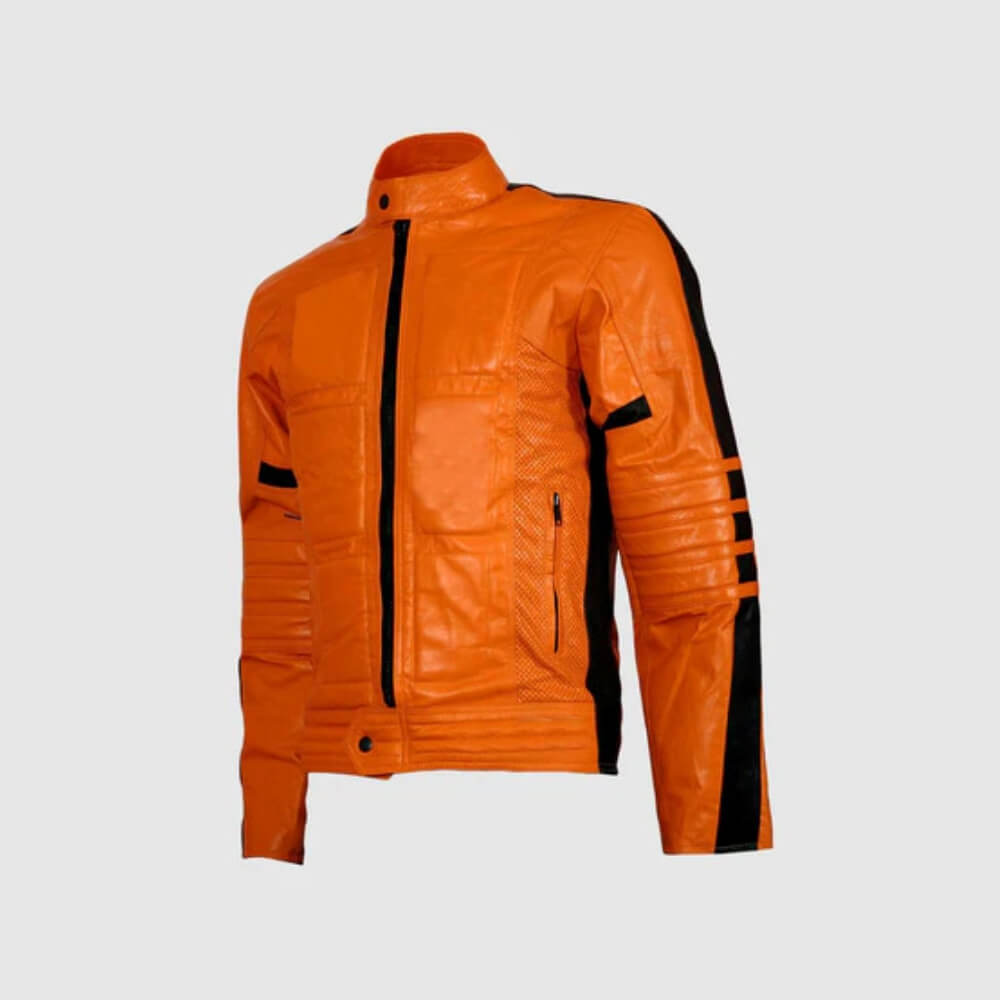
| Fashion jackets | Sheep nappa, lambskin, top-grain | Drape, softness, finish quality |
| Protective leather outerwear | Full-grain or corrected-grain cowhide | Structural strength, CE conformity where required |
## Ordering Discipline: What to Write in the Purchase Order
Vague specifications produce variable shipments. Put these in writing:
- Animal and grade — for example, “goatskin, full-grain, 0.8–0.9 mm”
- Tanning method and the Cr VI / REACH requirement
- Thickness range with a tolerance
- Colour with a reference (Pantone or approved swatch number)
- Lining and thread specification
- Size grading with a measurement spec sheet
- Inspection standard — AQL 2.5 is the industry default
- Labelling and packaging requirements
- Standard to be met, with the year, where the product is PPE
## Frequently Asked Questions
Q: Is goatskin better than sheepskin for work gloves? For durability, yes. Goatskin has a denser fibre structure and typically outlasts sheepskin several times in similar conditions. Sheepskin gives a softer, closer fit, which suits dress, driving and fine-handling gloves.
Q: What is the difference between full-grain and split leather? Full-grain is the outermost layer with the natural grain intact and offers the best abrasion resistance. Split leather is the lower fibrous layer used after the grain is separated; it is economical and naturally heat resistant, which is why it dominates in welding gloves.
Q: Is split leather lower quality for safety gloves? No — for heat and spatter protection, split cowhide is often the technically correct choice rather than a compromise. It is lower cost, not necessarily lower suitability.
Q: What is hexavalent chromium and why does it matter? It is a restricted substance associated with chrome tanning. Properly controlled production keeps it below the relevant threshold. If you sell into the EU, ask for the tannery’s Cr VI statement and REACH declaration.
Q: How do I check colour consistency before shipment? Approve a sealed swatch, and require a production photo of three garments laid side by side under daylight before packing. Then verify the same on arrival.
Q: Can you supply leather to a spec and a price point? Yes. Tell us the application, the durability expectation and the target landed cost, and we will recommend the grade that meets it rather than the most expensive option available.
Q: What thickness do you recommend for industrial gloves? Commonly 0.7–0.9 mm for goatskin assembly and driver gloves, and 1.0–1.3 mm or thicker for split cowhide welding gloves. The correct range depends on the hazard and the dexterity required.
Need leather sampling before you commit? Send us your application, grade preference and quantity, and we will supply a graded sample set with material and thickness confirmed in writing. Request a quote, or browse our leather gloves and leather garments ranges.